
Could a $5 Entry Win You a Denver Home? FulHouse’s Co-Founder Walks Us Through Their New Model
DENVER, CO – In Denver’s already unconventional real estate market, one startup is trying something even more unconventional: turning a home sale into a sweepstakes.
To understand how it works, why it’s legal, and what safeguards are in place, we sat down with Jason, co-founder of FulHouse. He’s not only building the platform; he’s also putting his own Denver home up as the first test case. His team believes they can create a new type of exit strategy for sellers while offering buyers a low-cost shot at homeownership.
As Jason told us, FulHouse started as a way to explore a different exit option in a cooling market, but the team also sees the model as a way to lower the barrier for people who may not otherwise have a clear path into homeownership in Denver.
For Developing Denver, the questions were straightforward.

Jason, co-founder of FulHouse
What is FulHouse trying to build in Denver, and why approach real estate this way?
FulHouse is positioning itself as a new option in a city where selling can feel unpredictable. Instead of listing his home traditionally, Jason is running it as a sweepstakes where entries cost a few dollars or can be mailed in for free.
“Denver has shifted,” he told us. “It’s not the pandemic-era frenzy anymore. Sellers have to work harder to stand out.”
His question was simple: is there a different way to divest from a property that still ends in a legitimate transfer of ownership?
That idea eventually shaped a startup, not a one-off experiment. FulHouse wants to become a platform where multiple homeowners can run compliant, transparent sweepstakes under a unified framework.
How exactly does the platform work from the user side?
The FulHouse process looks less like a lottery and more like a streamlined e-commerce purchase.
Visitors land on the website, learn about the concept, and view the available property. At launch, that property is Jason’s own home. Users choose how many entries they want, then move through a fast checkout using Stripe, Apple Pay, Google Pay, or Stripe Link. If someone has never created a FulHouse account, the system automatically generates one during checkout.
Legally, the sweepstakes hinges on something important: there must always be a free entry option. Anywhere users see a paid entry button, they also see instructions for submitting a free mail-in postcard. That requirement is what separates a sweepstakes from a state-run lottery.
How are you making this legally possible in the U.S.?
FulHouse operates as a sweepstakes, not a lottery. In the U.S., sweepstakes are legal for private companies as long as they offer a free method of entry that is just as accessible as the paid method. Both free and paid entries must be treated equally in the final drawing.
After establishing the legal framework, FulHouse also had to design a structure that users would genuinely trust. Compliance matters, but transparency around money and process is just as important for a model like this. People have seen enough “win this prize” claims to know many never materialize. So we pressed Jason on how money moves through the system.
Here’s how FulHouse has structured it:
All payments run through Stripe, a third-party processor.
Funds go directly into an escrow account managed by American Deposit Management, not FulHouse.
FulHouse cannot access any funds until the sweepstakes ends.
Users can track progress toward the minimum fundraising goal publicly on the site.
On March 31, the sweepstakes closes and an independent third party will run a livestreamed drawing to select the winner. FulHouse is intentionally avoiding any scenario where the company itself picks the outcome.
Jason describes transparency, not marketing, as the critical component of the model: “If people don’t trust how the funds are handled or how the winner is chosen, this won’t work. So we’re building trust into every layer of the platform.”
To reinforce that point, FulHouse has already begun awarding smaller prizes during the campaign, demonstrating that they can and will deliver what they promise.
What happens if the sweepstakes fails to hit its minimum goal? And what if it exceeds it?
Before anyone pays, they’re asked to choose what they want to happen if the sweepstakes does not reach its minimum:
Refund the full amount
Donate the contribution to a nonprofit
Double the number of entries, with no refund
That choice is made before any card information is entered. FulHouse designed it to remove ambiguity and prevent surprise outcomes.
If the sweepstakes exceeds its goal, it continues until the official end date. The model is time-bound, not dollar-bound.
If someone wins, what are they actually allowed to do with the home?
FulHouse isn’t placing restrictions on use. If someone wins:
They can move in
They can rent it
They can sell it
The company outlines general tax considerations on its website and encourages winners to get professional advice. For the pilot run, FulHouse is also offering a 50 percent cash prize alternative for anyone unable or unwilling to take the property.
How does FulHouse play a role in housing affordability?
Jason told us that FulHouse is not trying to fix housing affordability at a citywide scale. Instead, the team sees the platform as a way to create individual opportunities in a market where home prices have outpaced incomes for decades. Research he referenced shows that nationally, the cost of a home has risen far faster than the median income, and Denver sits even higher on that ratio.
FulHouse’s goal is to give at least one household access to a path that would otherwise be out of reach. By lowering the barrier to participation to a few dollars or a free mail-in option, the company believes it can create small, meaningful outcomes for people who may not be able to compete in the traditional market. Jason described this as micro impact, and said the hope is that over time these small wins can add up to something larger.
Will this inflate housing prices or distort the local market?
Any model that raises hundreds of thousands of dollars around a single property raises concerns about neighborhood impact. Jason says the team has heard those questions and is trying to design a responsible version of the concept. For this first sweepstakes:
He purchased the home for 685,000 dollars.
The minimum goal of 735,000 dollars reflects that cost plus roughly 7 percent:
4 percent for FulHouse’s platform fee
Approximately 3 percent in payment processing fees
He frames this as a way to avoid taking a loss in a slower market, not as an attempt to create an inflated comparable sale. FulHouse also plans to use a special deed transfer structure that should not distort traditional comparable sale data.
“We’re trying to innovate without causing the side effects people fear,” he said.
Is this a one-off experiment or the start of something larger?
Even with one home on the platform, the idea has already attracted attention. After FulHouse previewed its concept, a Denver developer with a property at Ninth and Colorado reached out hoping to list through the platform after struggling to sell traditionally.
FulHouse isn’t onboarding new properties yet. The team wants to finish the first sweepstakes before expanding, but they are taking inquiries to shape what the platform will eventually become.
Behind the scenes, the structure is formal, but not in the way many assume. FulHouse does not have the right to purchase Jason’s home, and the company does not hold ownership. By listing his property on FulHouse, Jason has legally agreed to transfer ownership of the home to the sweepstakes winner if the minimum reserve is met. During the sweepstakes, he cannot sell the home to anyone else, and any outside sale would have to be contingent on the sweepstakes not closing successfully. He expects future sellers on the platform to follow this same model.
Long term, FulHouse plans to build a multi-property platform, add a charitable giving component, and broaden the concept to more markets.
Final question: What does success look like for FulHouse?
For the team, success looks less like volume and more like legitimacy.
“We’re trying to prove whether this model has a place in the market,” Jason told us. “If people respond well, you might see sweepstakes homes listed right alongside traditional ones.”
Where to Learn More or Enter the Sweepstakes
Readers who want to explore the platform, review the official rules, or enter the sweepstakes can visit the FulHouse website directly. The property listing, entry options, free mail-in instructions, and real-time progress toward the minimum goal are all available on the site, along with additional background on the company’s mission and future plans.
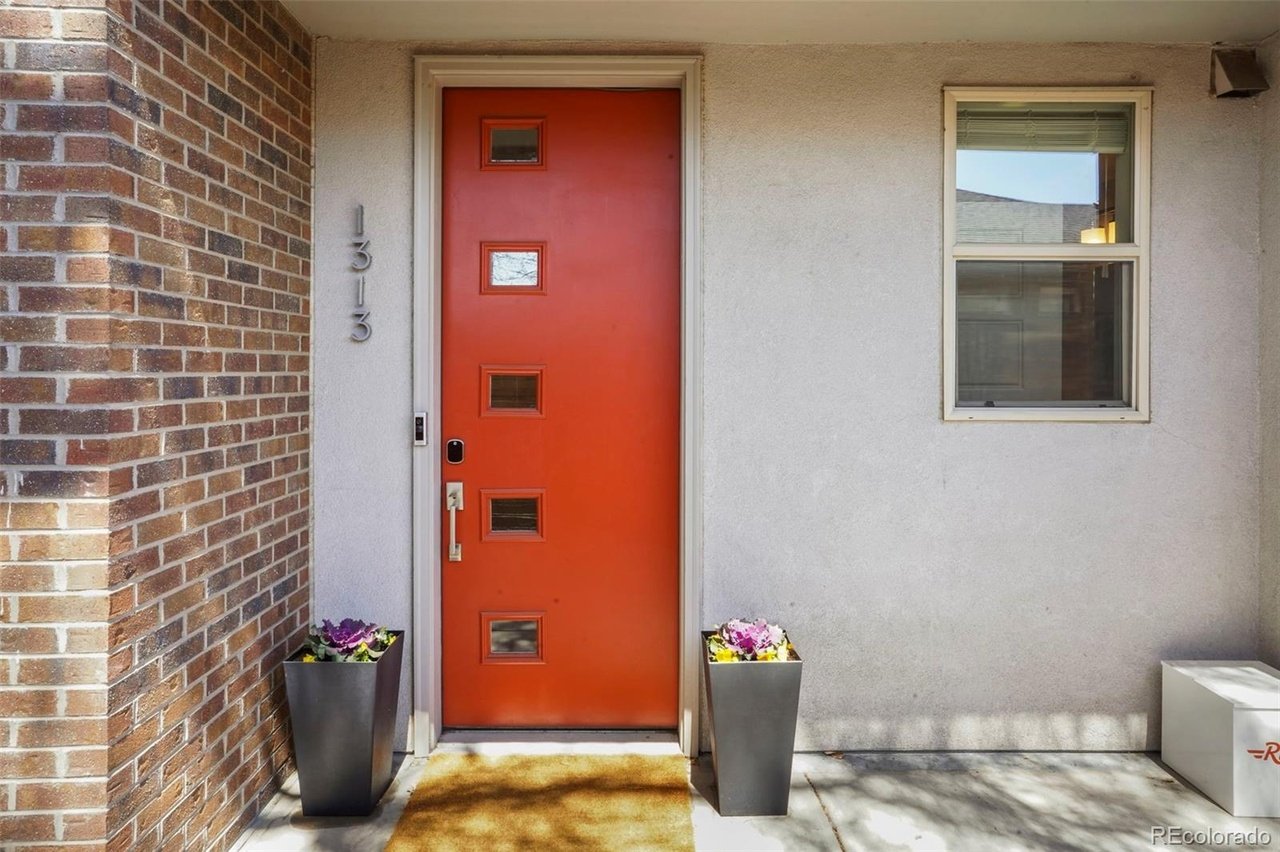
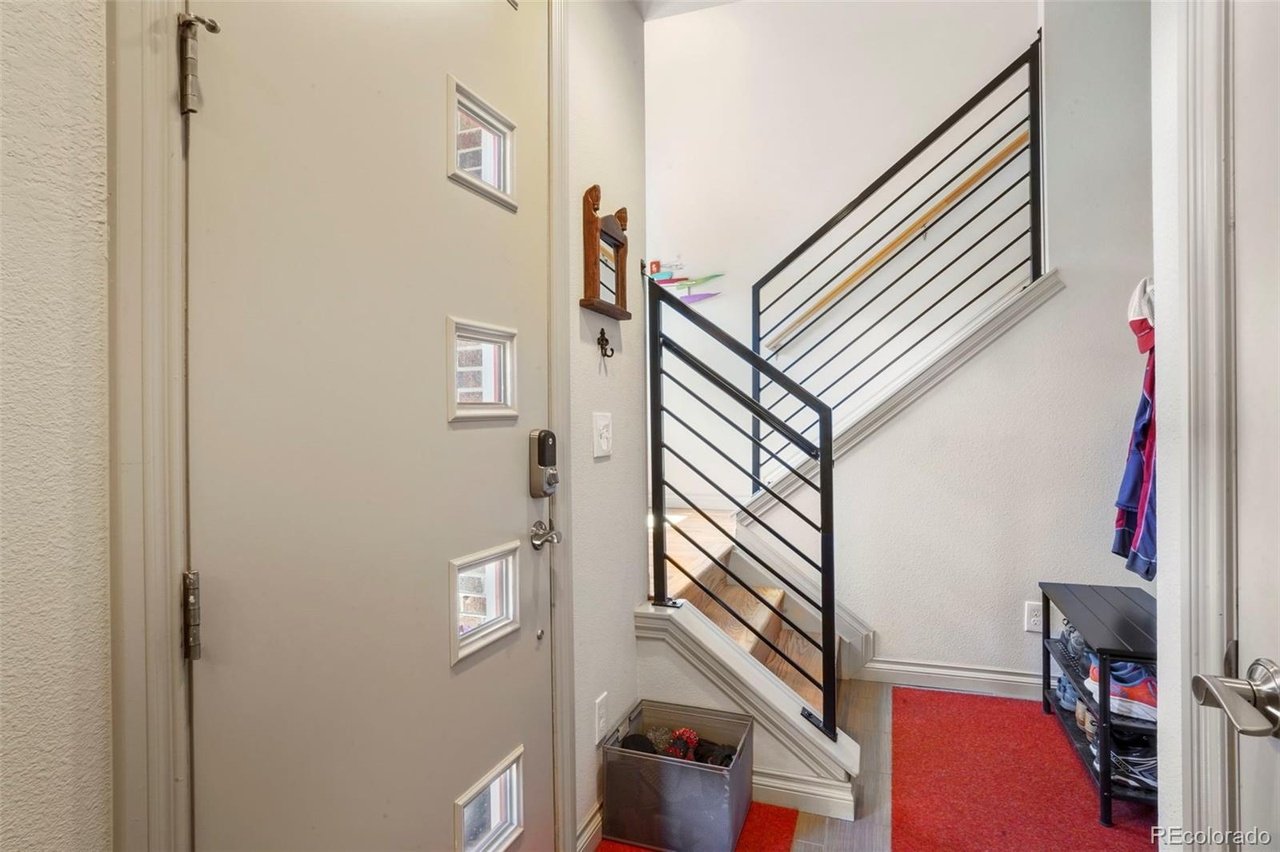
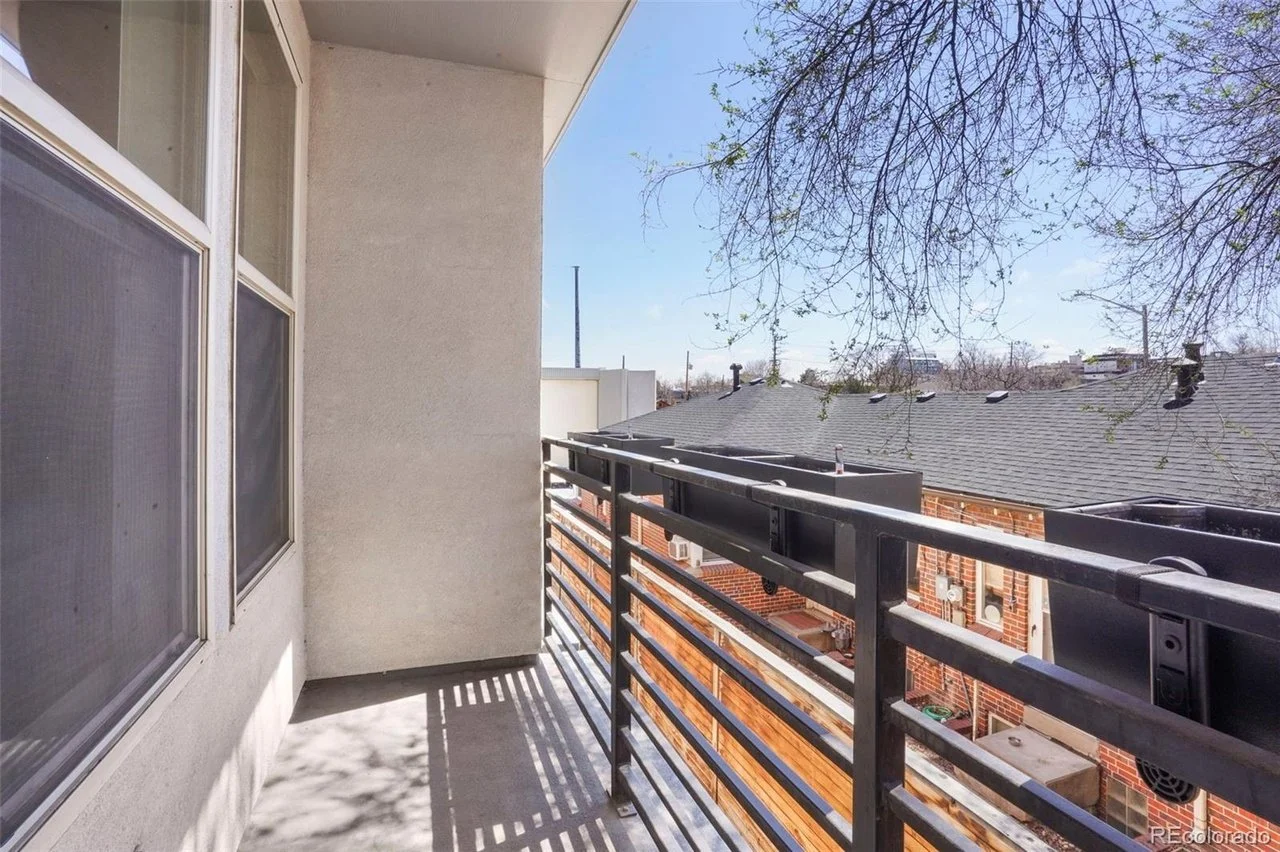
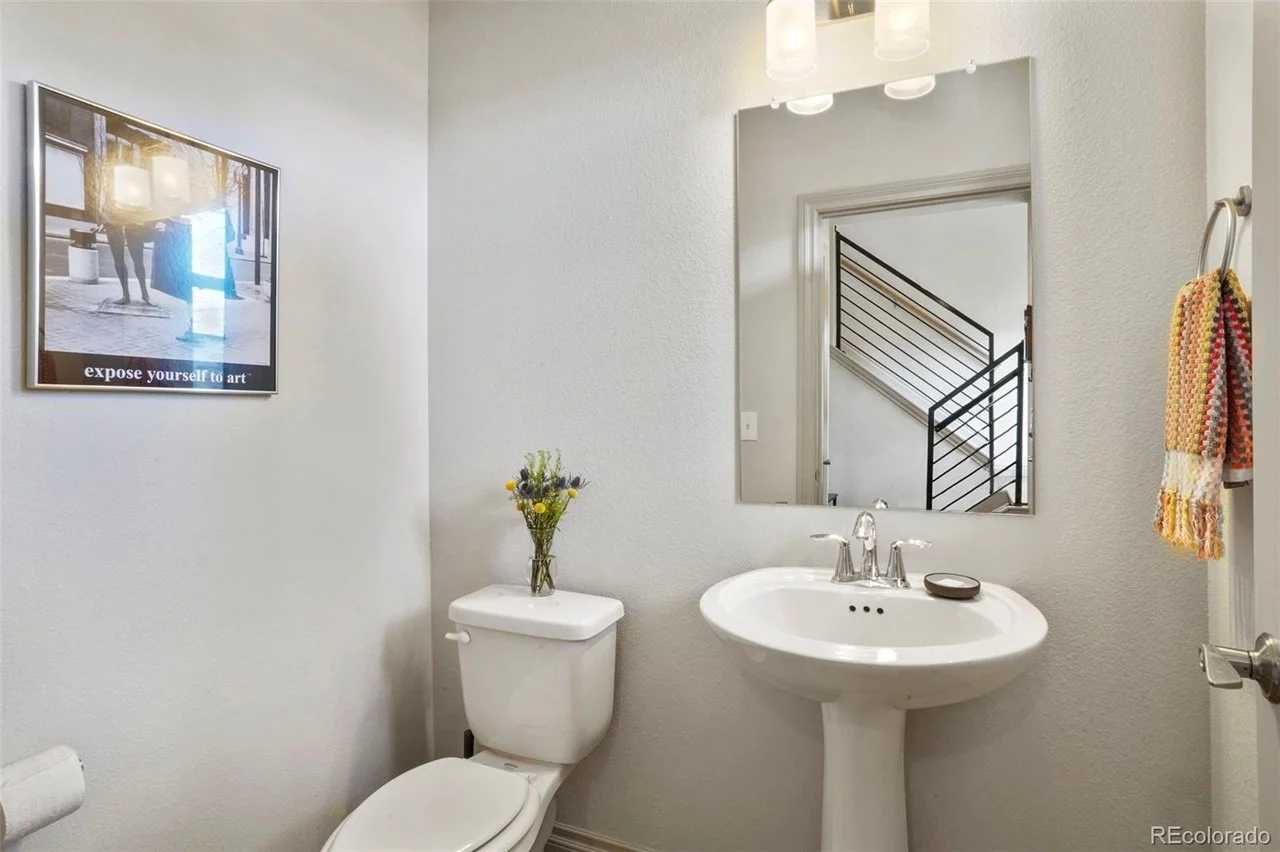
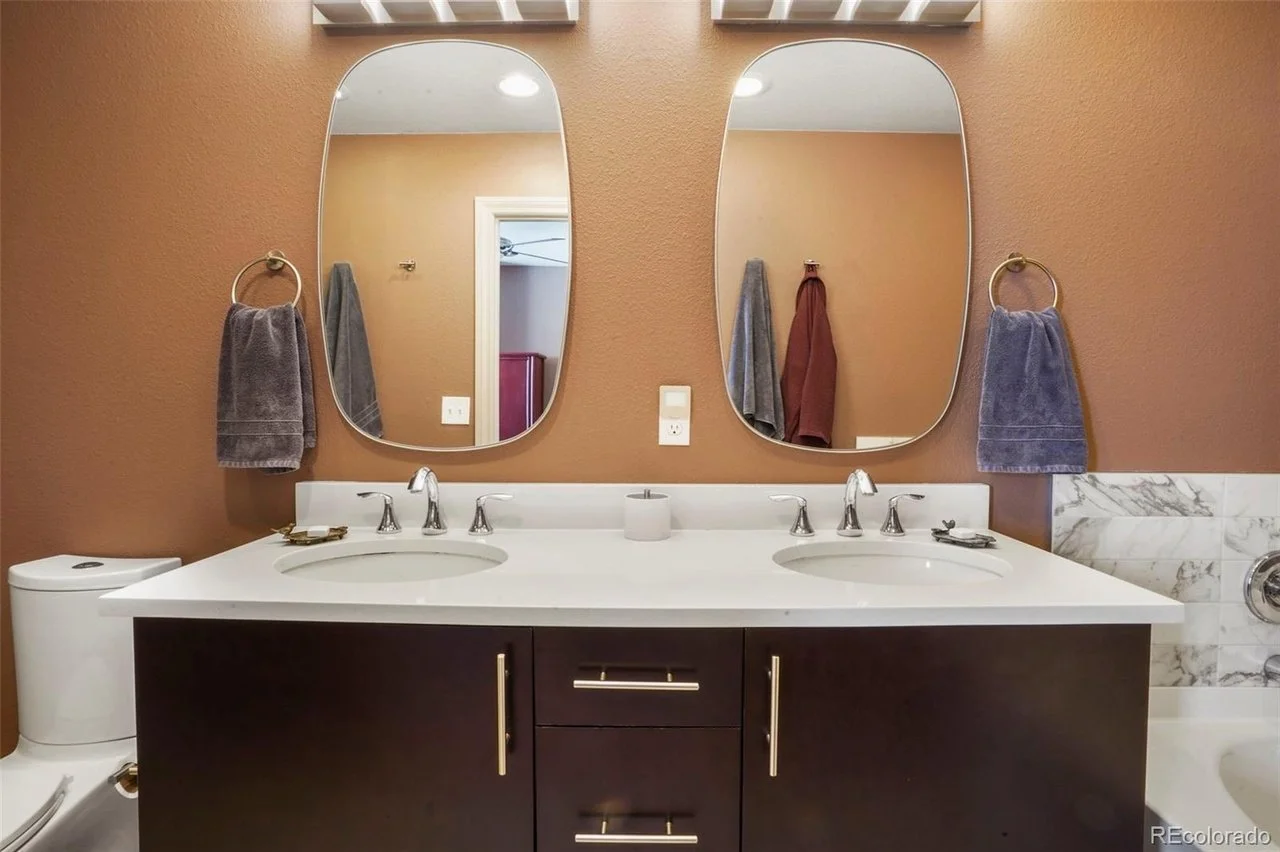
See More Photos of the Sweepstakes Prize Below








Disclosure and Important Notice
This feature is a sponsored post created in partnership with FulHouse. Developing Denver is not a tax, legal, or financial advisor, and this reporting does not constitute professional guidance or an endorsement of sweepstakes participation. Anyone considering entering should review the official sweepstakes rules on the FulHouse website and consult qualified professionals regarding tax, legal, or financial implications.
All project information was sourced from publicly available site plans, renderings, and permitting documents.
See more behind the build on Denver’s greatest construction projects
Get a deeper dive on the who, what, when and why behind the city’s greatest construction projects with our premium member content.


Interested in sponsorship? Learn more about our sponsors and how to get involved.
All project information was sourced from publicly available site plans, renderings, and permitting documents.

5 minute read • The Colorado Restaurant Association is moving forward with plans for a $1.5 million renovation and expansion of its existing Denver headquarters, including a new two-story addition, exterior redesign and interior improvements.