
Denver Museum of Nature & Science to Close Gems Hall April 15 Ahead of $30M Expansion
DENVER, CO – One of the Denver Museum of Nature & Science’s most recognizable exhibits is about to go dark.
After more than four decades in its current form, the Hall of Gems & Minerals will close on April 15, 2026 as the museum begins a $30 million renovation and 50 percent expansion of the gallery. When it reopens in 2027, the space will return under a new name: the Dea Family Gems & Minerals Hall, following a lead gift from longtime supporters Cathy and Peter Dea.
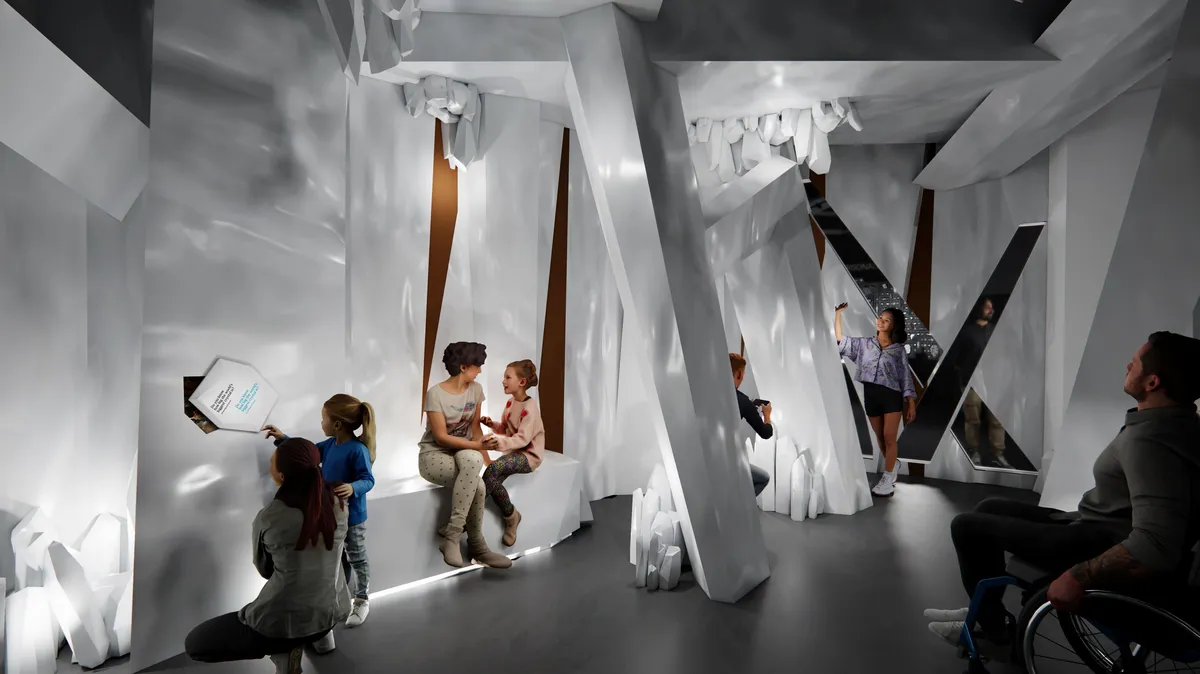
Renderings Sourced from Denver Museum of Nature & Science
Originally opened in 1982 as the Coors Hall of Gems and Minerals, the exhibit has consistently ranked among the museum’s most visited permanent galleries. This marks the largest renovation of a permanent exhibition in the institution’s history.
The redesign shifts the hall away from traditional specimen cases and toward an immersive, experience-driven environment built around the theme “My World Is Made of Minerals.” Instead of walking past static displays, visitors will move through simulated underground environments inspired by Rocky Mountain caves and modern mining operations. Museum officials describe a multi-sensory experience that incorporates lighting, sound and interactive technology to create the sensation of descending thousands of feet below ground.
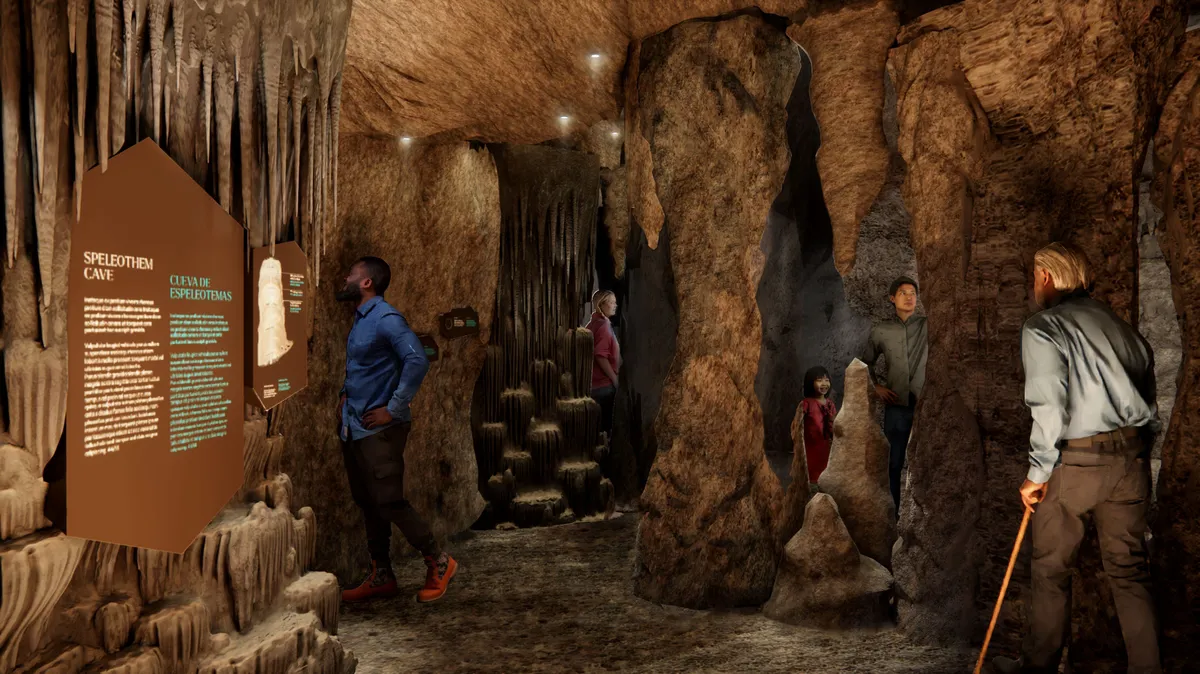
Renderings Sourced from Denver Museum of Nature & Science
The expansion increases the exhibit footprint by half and introduces a range of new elements, including a modern mine control station, a large-scale illuminated installation featuring hundreds of minerals, a fluorescent color room where specimens glow under ultraviolet light, and interactive features that connect raw minerals to everyday materials such as electronics, construction products and jewelry. The message is clear: minerals are not just beautiful, they are foundational to modern life.
At the same time, the museum is preserving key pieces of nostalgia. The Crystal Grotto and the Sweet Home Mine display, known for its Colorado rhodochrosite crystals, will remain part of the reimagined space. New additions are expected to include a six-foot wall of rhodochrosite and the 10,588-carat Dali Topaz, the museum’s largest faceted gemstone.
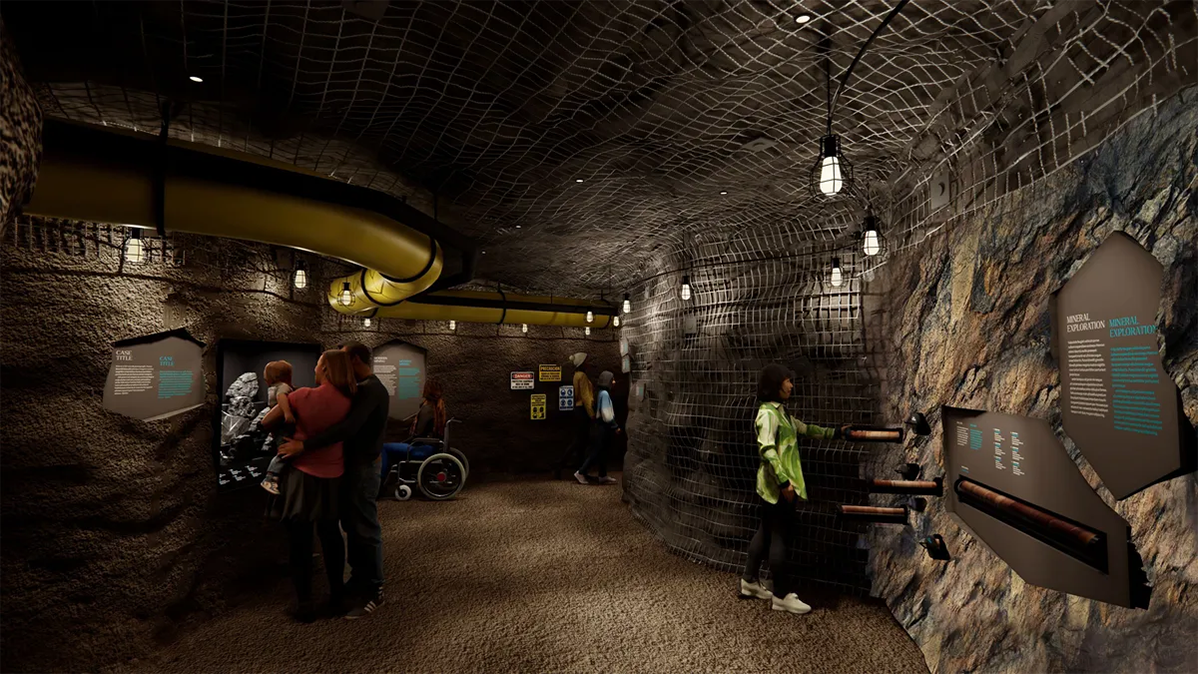
Renderings Sourced from Denver Museum of Nature & Science
Design work began in 2023 and wrapped earlier this year. The hall will close April 15, with construction expected to take roughly 18 months. The broader museum will remain open during the renovation, with most impacts contained to the existing gallery and adjacent areas.
The project is funded through a $30 million capital campaign that has reached roughly 78 percent of its goal. In addition to the Dea family’s transformational gift, major contributors include The Anschutz Foundation, Royal Gold, Inc., and several family foundations and private donors. The renaming of the hall reflects the scale of the Deas’ contribution.
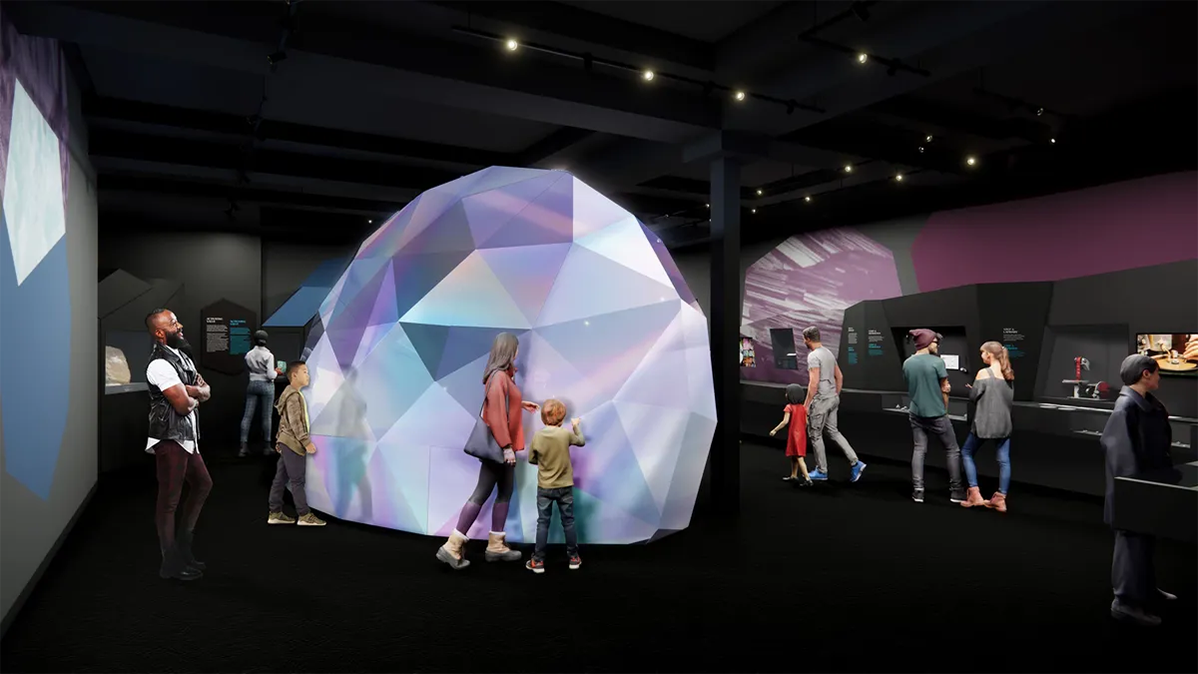
Renderings Sourced from Denver Museum of Nature & Science
Zooming out, this renovation reflects a broader shift among major cultural institutions investing heavily in immersive, technology-forward spaces designed to maintain long-term relevance and visitor demand. Static cases are no longer enough. Institutions are building environments.
For Denver, it also represents a significant reinvestment inside the City Park cultural campus. A 50 percent expansion of one of the museum’s most popular galleries is not incremental. It is strategic.
Visitors have just weeks left to experience the hall in its original 1982 format before it closes. When it returns in 2027, it will be larger, more interactive and built around a different story; one that connects geology directly to the systems that build and power the modern world.

Renderings Sourced from Denver Museum of Nature & Science
All project information was sourced from publicly available site plans, renderings, and permitting documents.
See more behind the build on Denver’s greatest construction projects
Get a deeper dive on the who, what, when and why behind the city’s greatest construction projects with our premium member content.

Interested in sponsorship? Learn more about our sponsors and how to get involved.
All project information was sourced from publicly available site plans, renderings, and permitting documents.

6 minute read • Clayworks completes The Pottery, a 188,600-square-foot office building bringing CoorsTek's global headquarters back to Golden as part of a 14-acre redevelopment.