
Denver’s Food & Beverage Scene Is Expanding Fast: Check Out These Five New Spots
DENVER, CO – Denver’s dining scene continues to evolve at a rapid pace, with a new wave of restaurant openings bringing a mix of global influence, design-forward spaces, and highly curated dining experiences across the city.
From Cherry Creek to RiNo to East Colfax, five new concepts are helping redefine how and where people dine, each offering a distinct approach to hospitality, cuisine, and atmosphere.
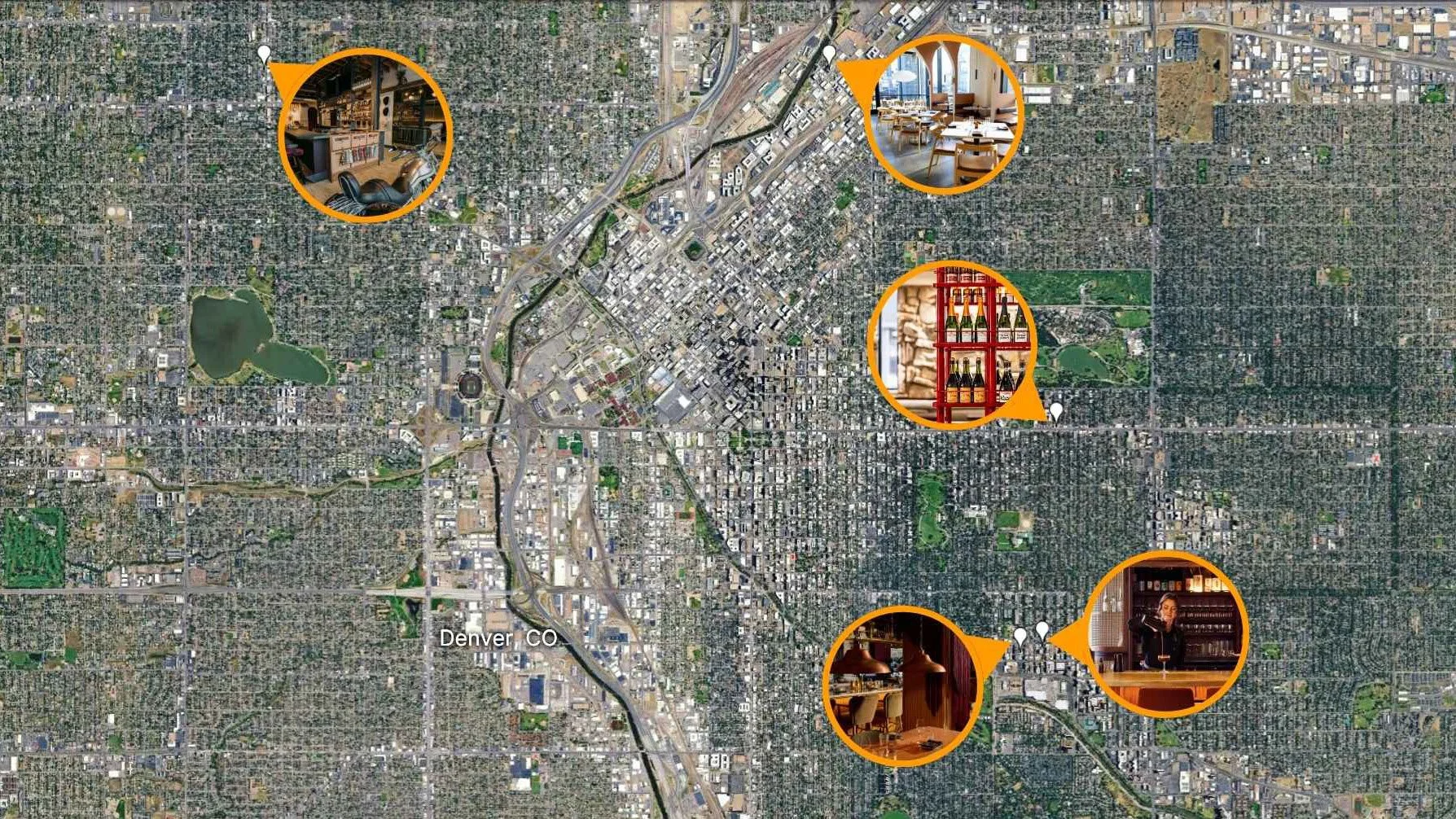
A New Generation of Dining Concepts
Rather than following a single trend, these openings reflect a broader shift in Denver’s restaurant landscape. Operators are moving beyond traditional formats, focusing instead on experience-driven concepts that combine strong culinary identities with intentional design and neighborhood context.
The result is a lineup that spans everything from high-end Japanese dining and regionally focused Italian cuisine to Spanish tapas, Mediterranean wine culture, and Western-inspired hospitality.

Dear Emilia Interior | Photo by Alexis Reaves | @jesuislexphoto
Dear Emilia Brings a Regionally Authentic Italian Experience to RiNo
Emilia’s buildout is defined by a highly architectural interior, centered around a series of sculptural arches that frame the main dining area. The layout uses these repeated forms to create separation between tables without fully enclosing the space, giving the room structure while maintaining openness.
Light wood furniture, neutral tones, and polished concrete floors keep the material palette restrained, allowing the curved architectural elements and large pendant lighting to carry most of the visual weight. Booth seating is integrated along the perimeter, while smaller tables fill the central floor, creating a balanced mix of seating types within a relatively compact footprint.
That layout suggests a more controlled and intentional dining environment, where spacing, sightlines, and lighting all play a role in shaping how guests move through the space. The design leans toward a quieter, more focused experience rather than a high-energy or bar-driven atmosphere.
Instead of multiple formats or zones, Emilia appears to center its concept around a single, cohesive dining experience, where the architecture and layout are doing most of the work in defining how the space is used.
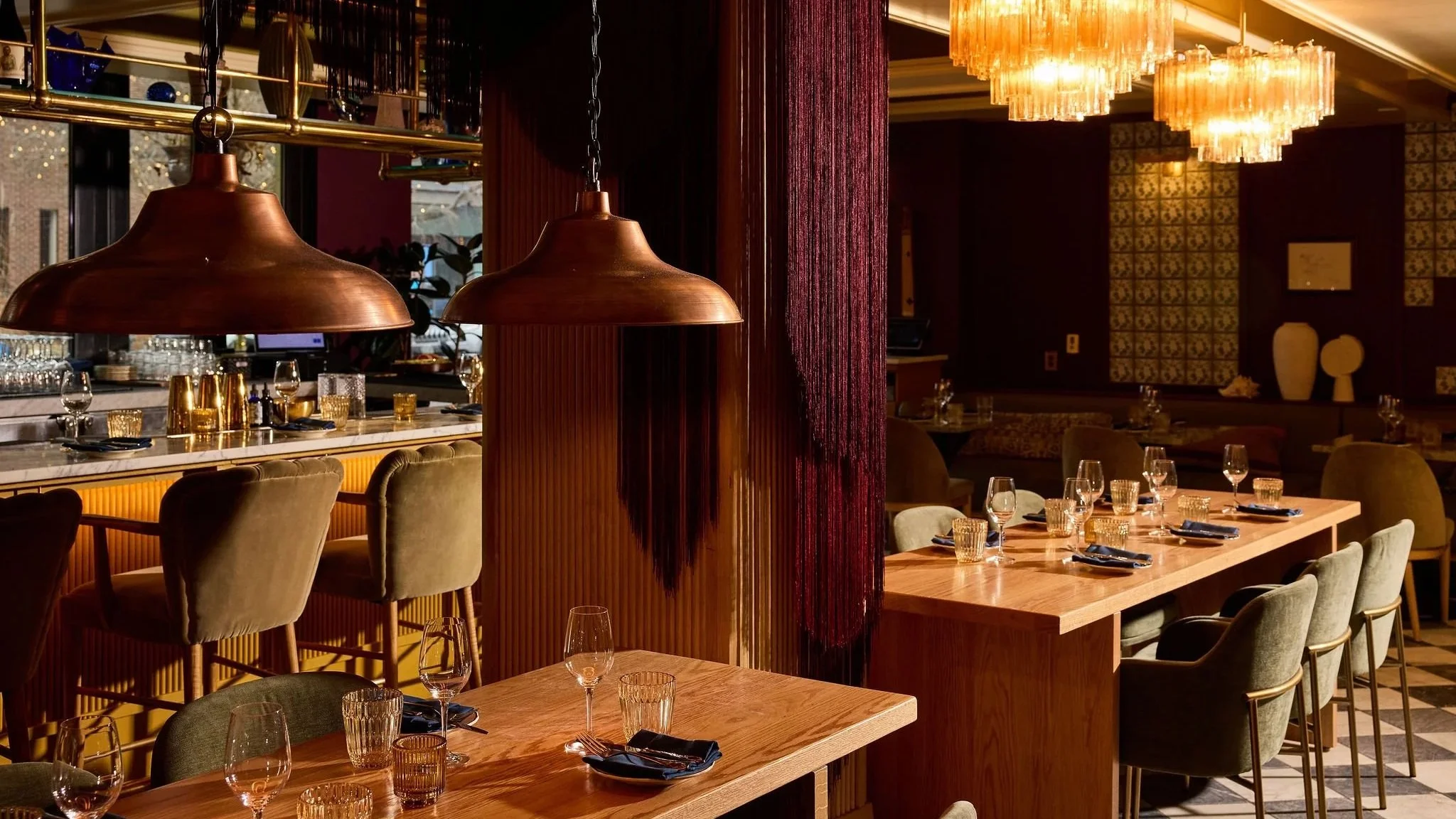
Mar Bella Wine Bar Interior | Photo Sourced from Mar Bella Wine Bar | Clayton Hotels
Mar Bella Wine Bar Expands Denver’s Tapas Scene in Cherry Creek
Mar Bella Wine Bar introduces a highly detailed interior within the Clayton Hotel & Members Club, built around a central bar that anchors the entire space. The layout combines bar seating, lounge-style booths, and smaller tables, creating multiple layers of seating within a relatively compact footprint.
The buildout leans into bold material choices, including checkered flooring, brass shelving, warm wood paneling, and deep red tones that give the space a distinct identity. Overhead wine storage and integrated display elements reinforce the bar as the focal point, while still allowing surrounding seating areas to feel intentional and separate.
That configuration shifts the experience away from a traditional dining model and toward something more fluid. Guests are encouraged to engage with the space through smaller, shared orders and a steady flow of drinks, rather than a fixed start-to-finish meal.
The result is a bar-forward environment where the layout itself drives a more social and flexible experience, blurring the line between restaurant and wine bar.
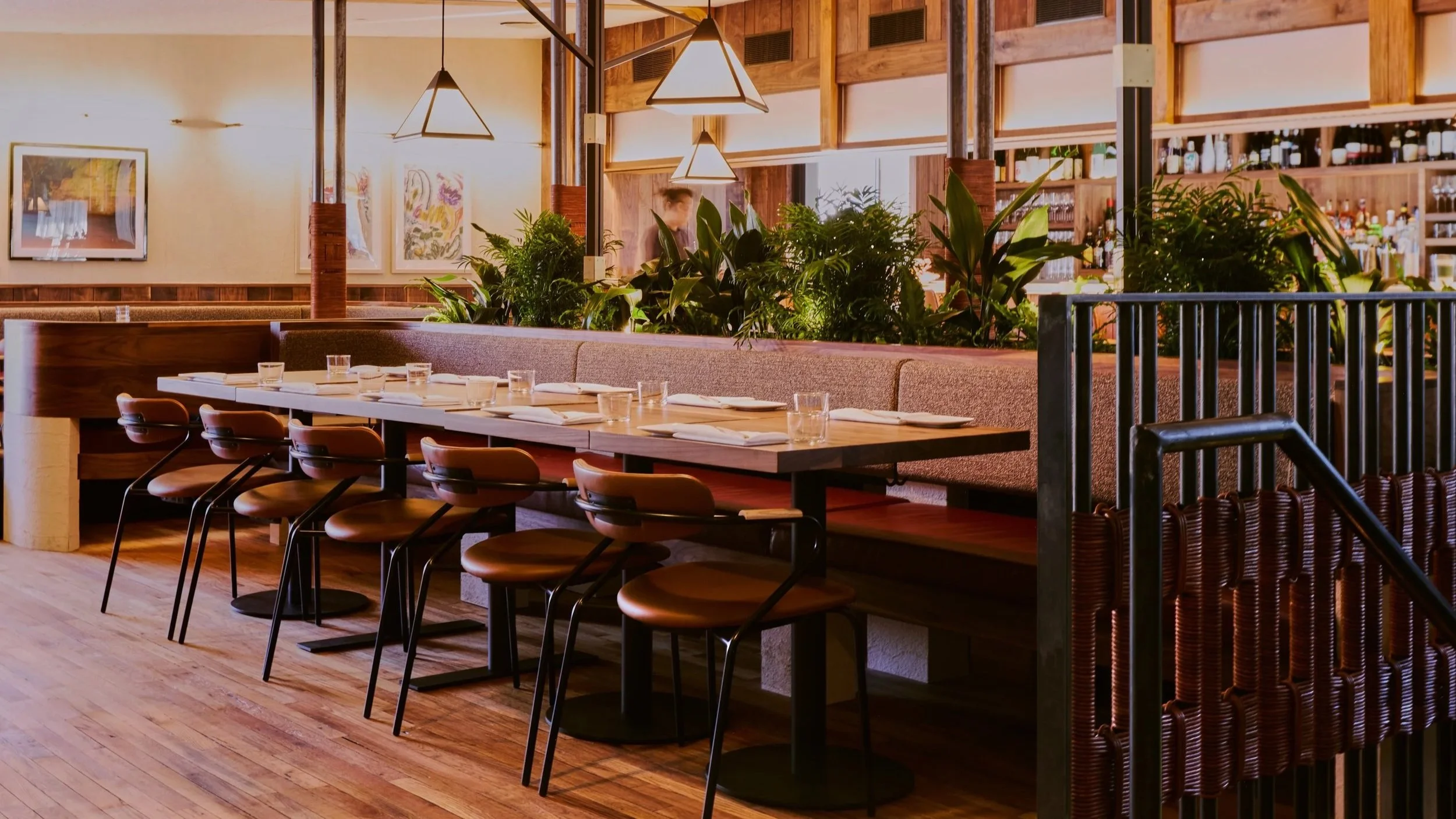
Photo from Uchiko | By Jimena Peck
Uchiko Expands a National Brand Into Cherry Creek
Uchiko brings one of the more expansive restaurant buildouts in Cherry Creek, taking over a 7,400-square-foot space that blends multiple dining environments into a single cohesive layout. The design is anchored by a central sushi bar, with additional zones including a private dining room, bar seating, and a large sunroom addition that expands the footprint beyond a traditional restaurant layout.
The space leans heavily into warm wood tones, layered lighting, and integrated architectural elements that create separation without fully closing off each area. The result is a series of connected rooms that allow for different dining formats while maintaining a consistent visual identity throughout the space.
That layout directly supports a more dynamic dining experience, where guests can choose between a quicker bar-driven visit, a more traditional seated dinner, or a longer, more immersive experience at the sushi counter. Movement throughout the space is intentional, with each zone offering a slightly different level of engagement.
Instead of a single defined experience, Uchiko operates as a multi-format restaurant, with the design allowing it to function at different speeds depending on how guests choose to use the space.
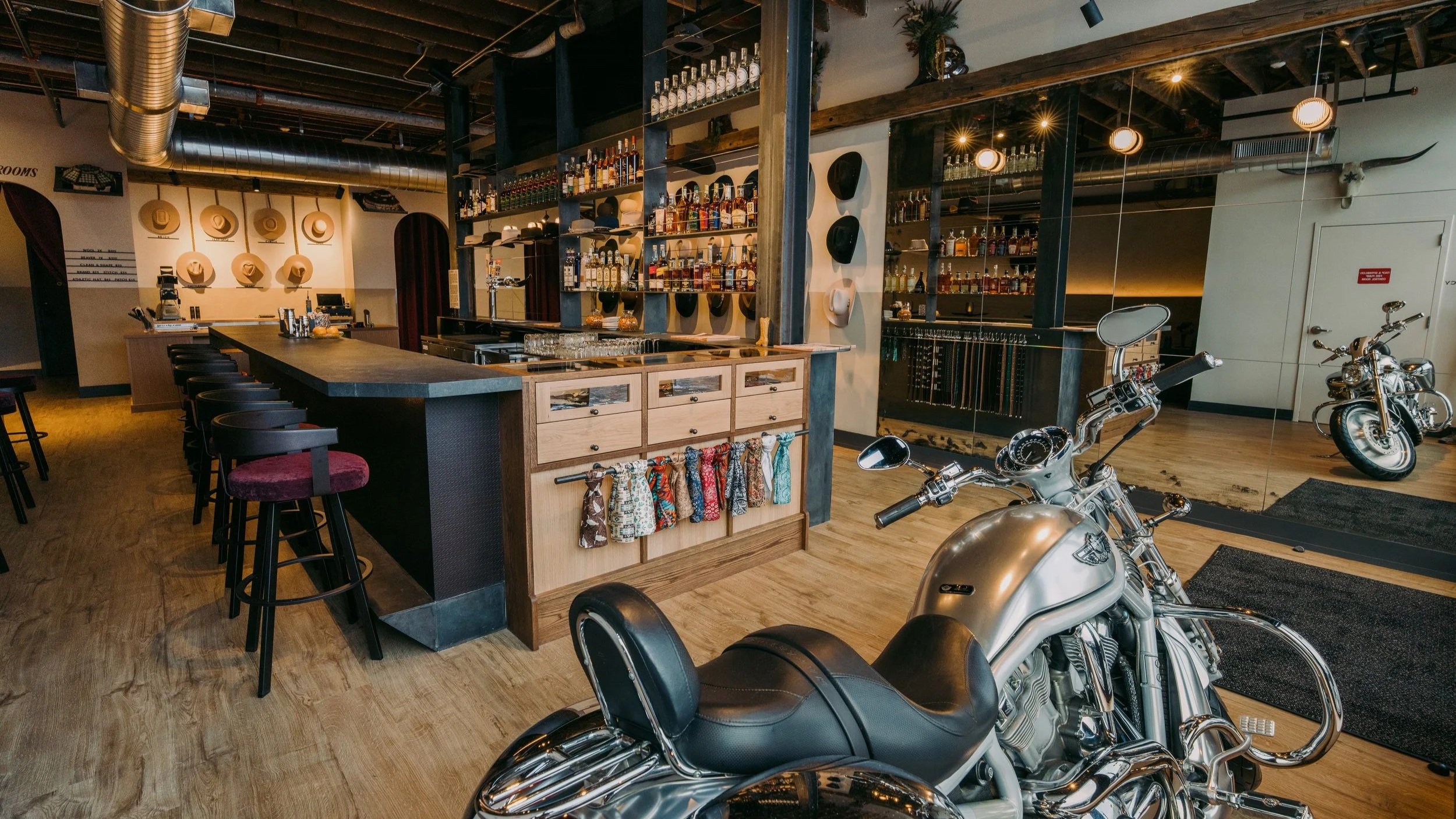
American Lore Interior | Photo by American Lore
American Lore Adds a Western-Inspired Hospitality Concept
American Lore’s buildout emphasizes a warm, highly textured interior that prioritizes comfort and visual depth over scale. The space is defined by heavy wood finishes, low lighting, and a mix of booth seating and communal tables that create a more intimate and grounded environment.
Rather than relying on a single focal point, the design spreads attention across multiple elements, including custom furniture, integrated shelving, and curated wall details that reinforce a cohesive identity throughout the space. The layout keeps sightlines relatively low, intentionally creating a more enclosed and immersive atmosphere.
That approach translates directly into how the space is used, encouraging longer visits and a slower pace. Seating arrangements are designed to support conversation, with layouts that favor groups and shared experiences over quick turnover.
Instead of a high-energy or bar-driven format, American Lore positions itself as a place to settle in, where both the design and layout support a more relaxed and extended experience.
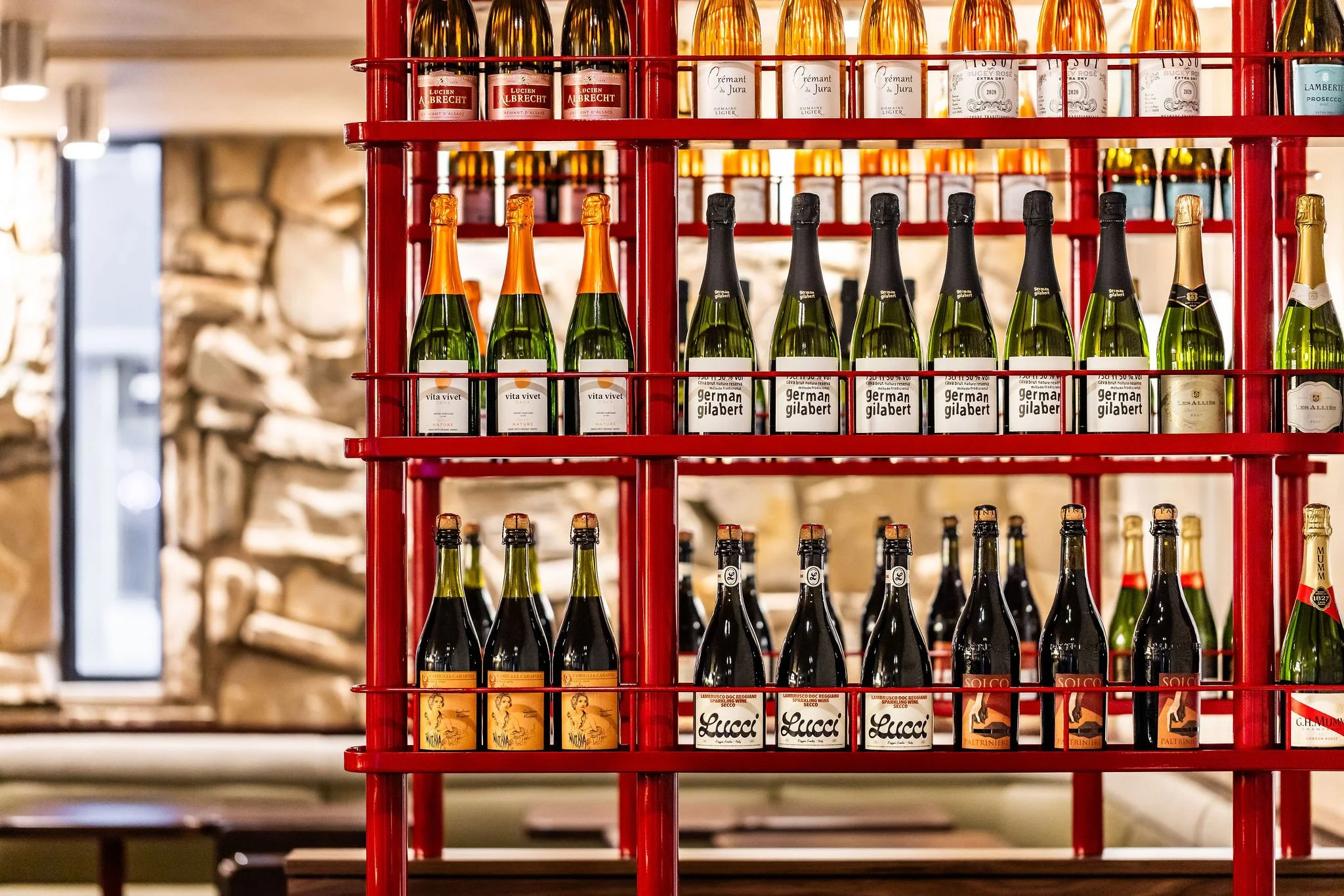
FiNO Introduces a Mediterranean Wine Bar to East Colfax
Fino (officially opening on March 24, 2026) will introduce a layout that prioritizes flow between interior and exterior spaces, drawing from Mediterranean-inspired design principles. The buildout emphasizes openness, with lighter materials, flexible seating arrangements, and an overall layout that encourages movement throughout the space.
The design integrates natural light, layered textures, and a more casual arrangement of tables that can adapt to different group sizes. Rather than rigid sections, the space feels more continuous, with transitions between areas that are intentionally subtle.
That flexibility directly shapes the experience, allowing the space to shift throughout the day and evening. Guests are not confined to a single type of interaction, with the layout supporting everything from quick visits to longer, more social gatherings.
The result is a restaurant environment that feels less structured and more adaptable, where the design reinforces a more relaxed and evolving experience over time.
A Broader Shift in Denver’s Food Scene
Across all of these openings, there’s a clear shift happening in how restaurants in Denver are being designed. These are no longer single-format dining rooms. Instead, operators are building layered environments that can support multiple experiences within the same footprint.
From bar-first layouts to multi-room configurations and indoor-outdoor transitions, the physical design is becoming just as important as the concept itself. The goal is no longer just to serve food, but to create spaces that people move through, interact with, and stay in longer.
For Denver, that means the next wave of restaurant development is less about individual openings and more about how these spaces are being built to function.
What It Means Moving Forward
As Denver continues to attract new residents, investment, and tourism, the restaurant industry is responding with more specialized and ambitious concepts.
These latest openings show that the market is not just growing, but maturing. Instead of competing on volume alone, restaurants are differentiating through identity, quality, and experience.
If this trend continues, Denver’s dining scene is likely to become more defined by distinct concepts and neighborhood-driven experiences, rather than broad, one-size-fits-all offerings.
All project information was sourced from publicly available site plans, renderings, and permitting documents.
See more behind the build on Denver’s greatest construction projects
Get a deeper dive on the who, what, when and why behind the city’s greatest construction projects with our premium member content.
Interested in sponsorship? Learn more about our sponsors and how to get involved.
All project information was sourced from publicly available site plans, renderings, and permitting documents.

5 minute read • Denver’s new Common Ground Community Design Festival debuts Sept. 24 with five community-designed installations and free public events downtown.